Creating Thematic Environments for Gaming Sessions
Establishing a captivating thematic environment for gaming sessions can significantly enhance the overall experience. Research shows that immersive settings can boost player engagement and enjoyment, making the effort worthwhile for organizers and participants alike.
Understanding the Importance of Thematic Environments
Creating thematic environments in gaming is not just about aesthetics; it plays a crucial role in enhancing gameplay. According to studies, environments that align with the game's narrative often result in more enjoyable experiences. This works because players are more likely to become emotionally invested when the setting complements the story and mechanics of the game.
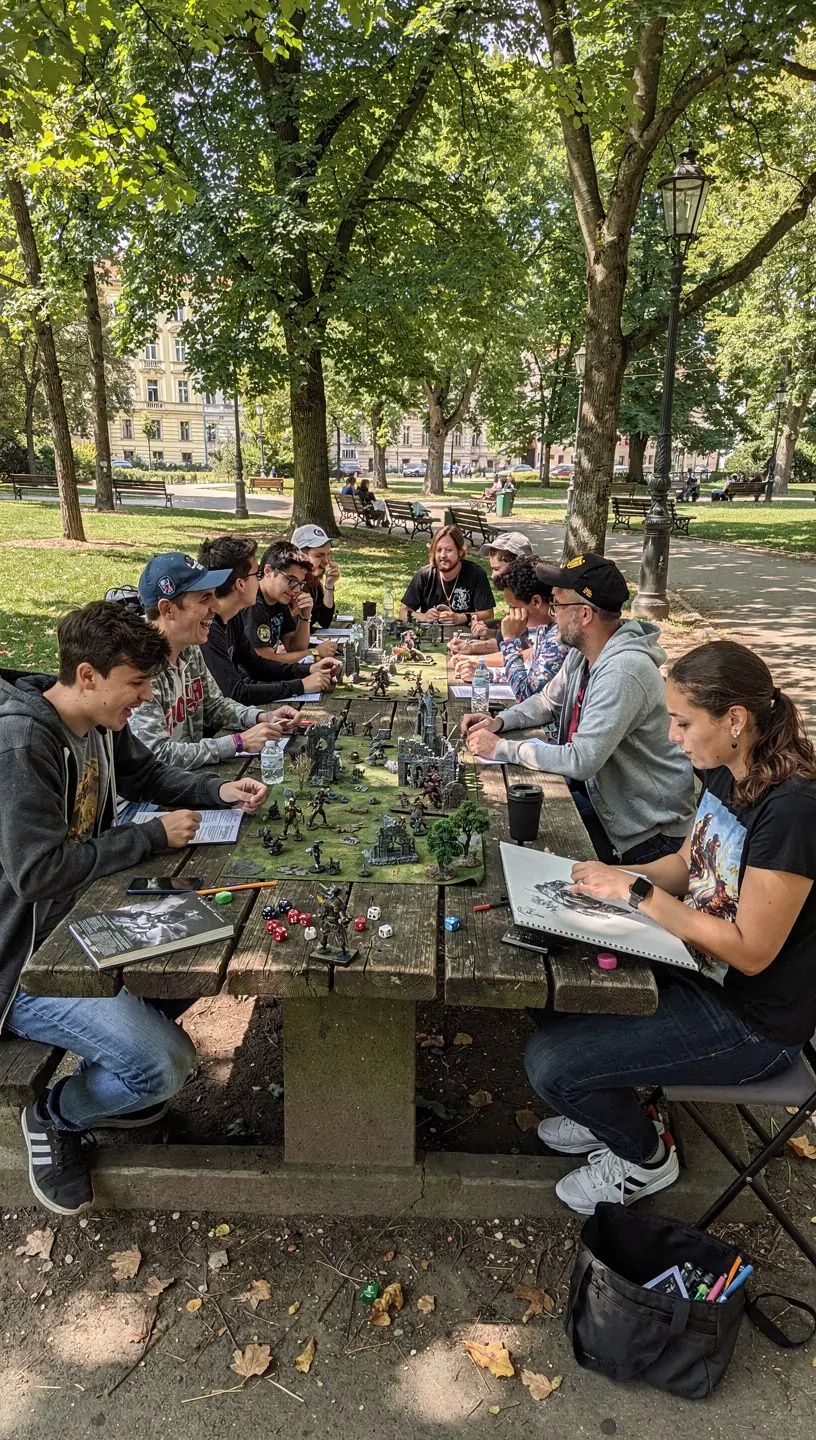
"A well-designed thematic environment can elevate gameplay, leading to richer storytelling and deeper player involvement." - Game Design Expert
Practical Steps to Create Thematic Environments
Here are some practical steps to consider when organizing thematic gaming sessions:
- Define the Theme: Start by identifying a clear theme that resonates with your target audience. This could range from fantasy realms to sci-fi adventures. Many users report that a defined theme helps streamline the planning process.
- Incorporate Visual Elements: Use decorations, props, and artwork that align with the chosen theme. Research indicates that visual elements can significantly enhance immersion, making sessions more memorable.
- Engage the Senses: Consider incorporating music and sound effects that fit the theme. Experts recommend that auditory elements can deepen the emotional impact of the gaming experience.
- Plan Activities Around the Theme: Tailor your gaming sessions to include thematic quests or challenges. This approach not only enhances player participation but also encourages collaboration and teamwork.
Acknowledging Limitations and Challenges
While creating thematic environments can greatly enhance gaming sessions, it also comes with challenges. Organizers should be aware of the time commitment involved; preparing a cohesive theme typically takes 2-4 weeks, depending on the complexity. Additionally, achieving a fully immersive atmosphere requires a certain level of effort and creativity.
Conclusion
In summary, creating thematic environments for gaming sessions is a proven approach that can significantly enhance player engagement and enjoyment. By defining a clear theme, utilizing visual and auditory elements, and planning activities that reflect the theme, organizers can foster a memorable gaming experience. However, it's essential to recognize the time and dedication required to achieve the desired atmosphere. Ultimately, with careful planning and execution, thematic environments can transform standard gaming sessions into immersive adventures.