How to Organize Successful Tabletop Gaming Events
Tabletop gaming events can foster community and creativity, but organizing them effectively requires planning and understanding. This article will guide you through the essential steps to create engaging and memorable gaming sessions.
Understanding the Basics of Tabletop Gaming Events
Organizing tabletop gaming events typically involves several key components: selecting appropriate games, securing a venue, and engaging participants. Industry experts suggest that these elements are crucial for ensuring a smooth and enjoyable experience for all attendees.

"The success of a gaming event often hinges on the careful planning of logistics and participant engagement."
Step-by-Step Guide to Successful Event Organization
- Choose the Right Games: Select games that cater to varied skill levels and interests. Many users report that including a mix of classic and newer games can attract a wider audience.
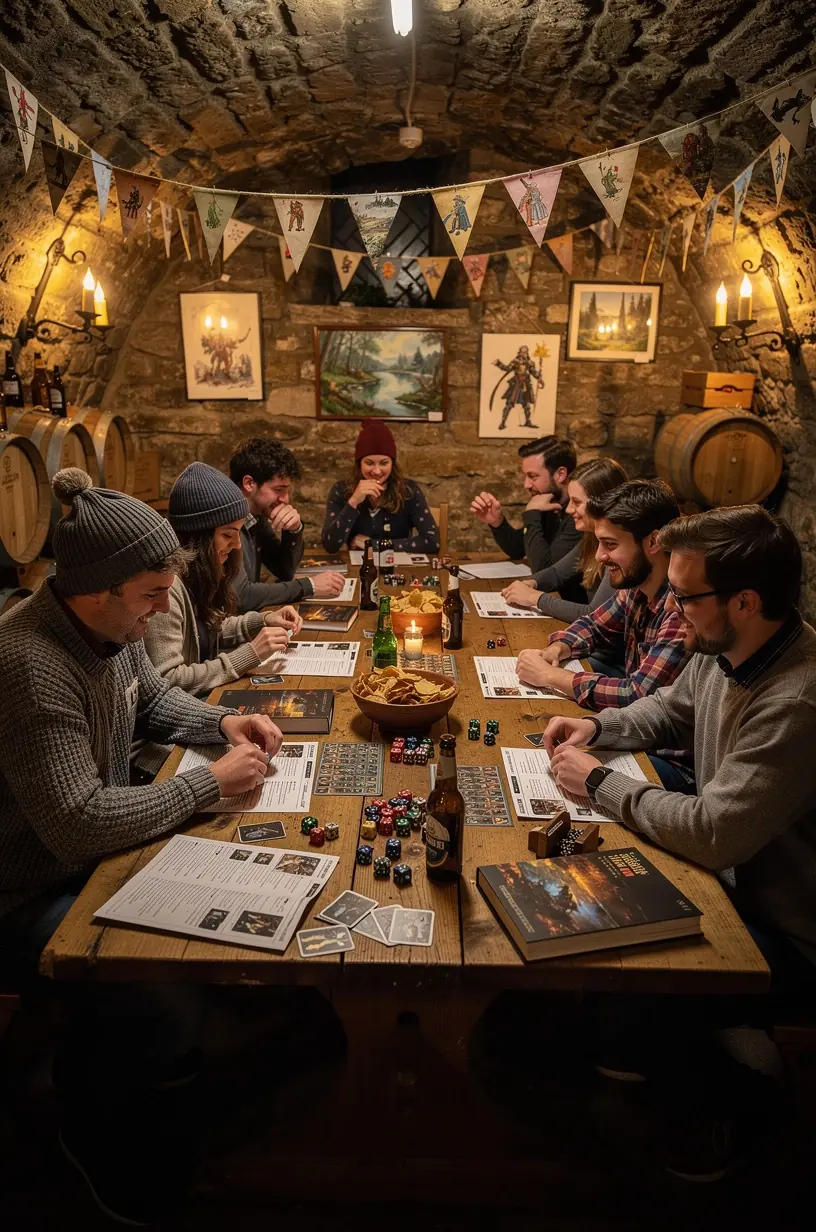
- Secure a Suitable Venue: Look for a location that is accessible and can accommodate the expected number of participants. Research indicates that events in comfortable environments often see higher attendee satisfaction.
- Promote Your Event: Utilize social media and local community boards to reach potential participants. Effective promotion can increase attendance by as much as 30%, according to studies of community engagement.
- Prepare for the Day: On the day of the event, arrive early to set up and ensure everything runs smoothly. This may involve arranging tables, organizing game materials, and greeting participants.
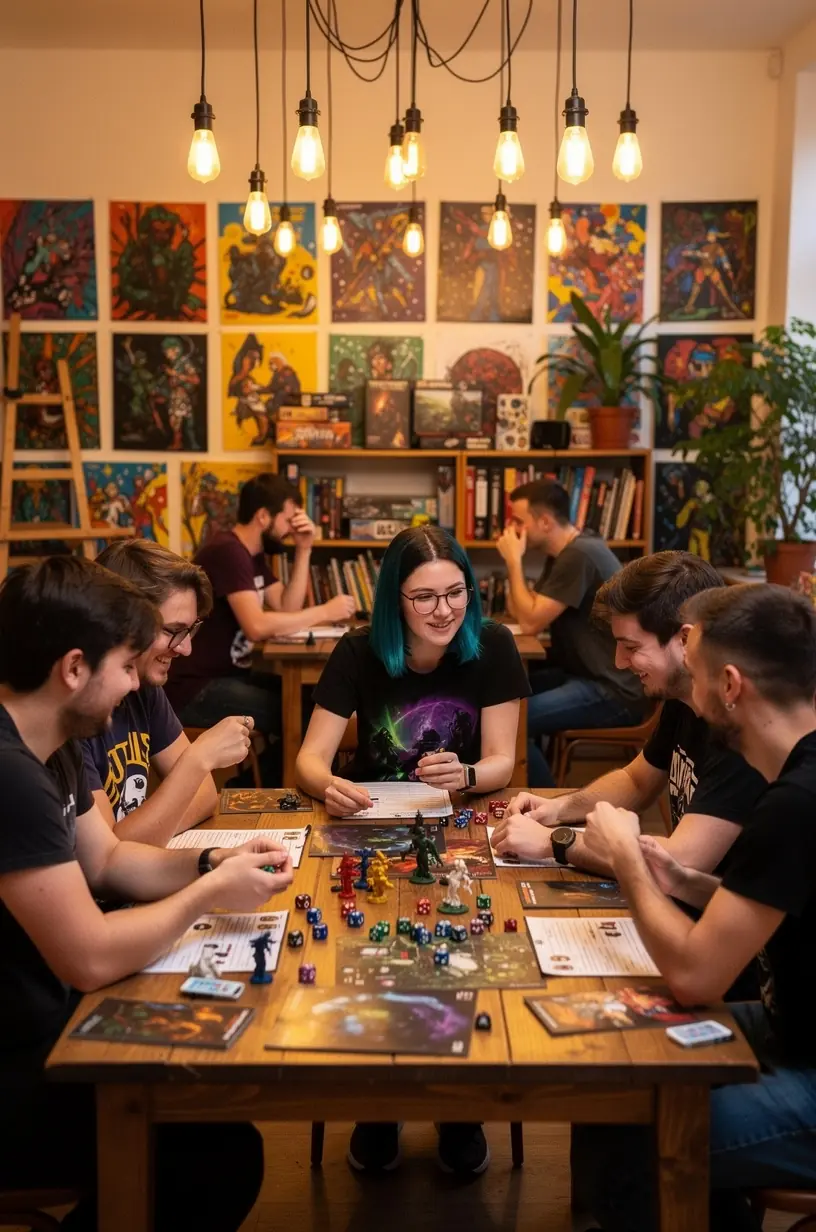
- Engage with Participants: During the event, facilitate interactions and encourage participants to share their experiences. Engaging with attendees can enhance their enjoyment and foster community spirit.
Acknowledging Limitations and Challenges
While organizing events can be rewarding, it does require time and commitment. Typically, planning takes 2-4 weeks, depending on the scale of the event. Additionally, it's important to recognize that some participants may not be familiar with certain games, which may lead to a learning curve.
Conclusion: Creating Memorable Gaming Experiences
By following these structured steps and taking into account the diverse needs of your participants, you can organize successful tabletop gaming events that not only entertain but also build community. Remember, the goal is to create an inclusive environment where everyone feels welcome and engaged. As you gain experience in organizing these events, you'll discover what works best for your community and can adapt your approach accordingly.