Steps to Curate an Engaging Art Display
Curating an art display can be a rewarding experience that fosters community engagement and highlights local creativity. This guide provides actionable steps to help you create an engaging art display that connects with an audience, whether during an art show, tabletop gaming event, or interactive quest event.
Understanding the Basics of Art Curation
Art curation involves selecting, organizing, and presenting artworks in a cohesive manner that tells a story or conveys a specific theme. According to experts in the field, successful art displays often reflect the interests and values of the community they serve. This is crucial in a creative space where interaction and engagement are key.
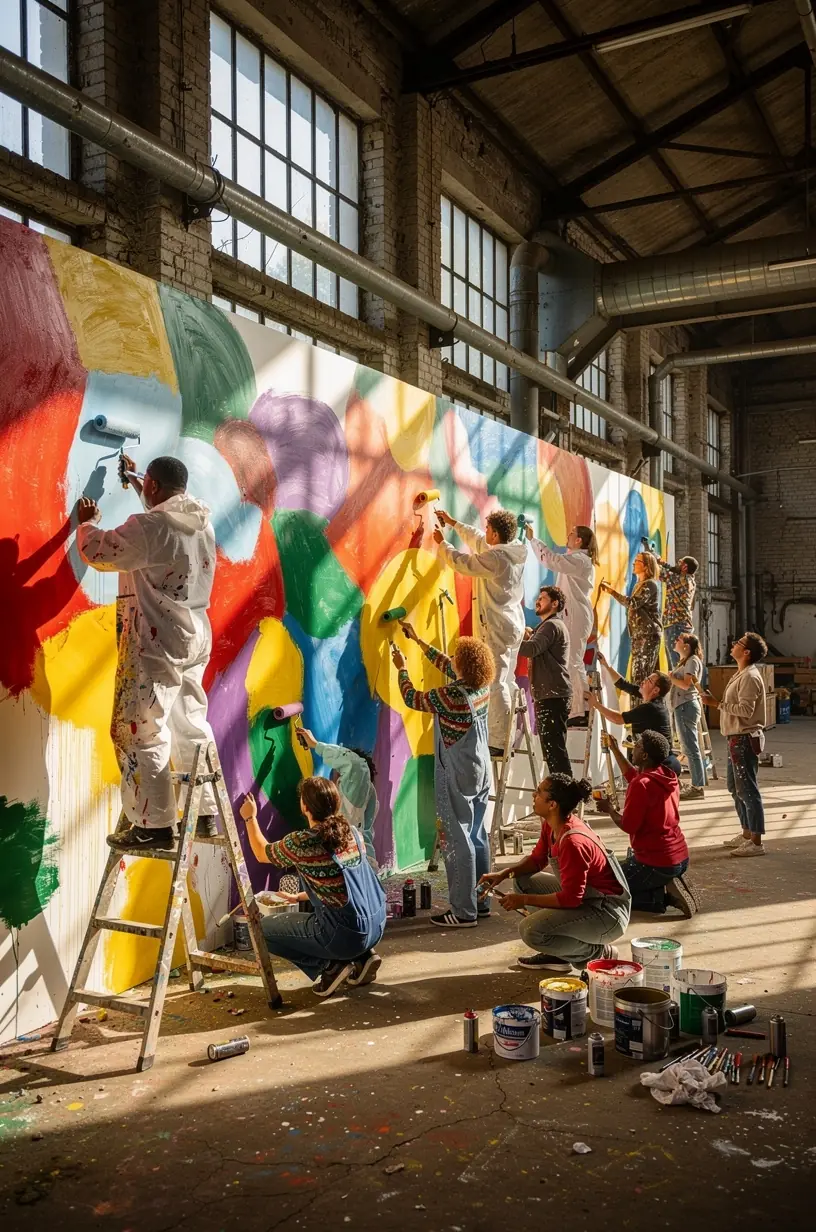
"A well-curated display not only showcases art but also fosters connection and dialogue among viewers." - Art Curation Expert
Step-by-Step Guide to Curating Your Art Display
- Define Your Theme: Start by deciding on a theme that resonates with your audience. Research shows that themes that reflect local history, culture, or current events often attract more interest. This stage typically takes 1-2 weeks to finalize.
- Select Artworks: Choose artworks that align with your theme. This may involve reaching out to local artists or community members. Engaging with artists can take considerable time, as many artists appreciate collaboration and input on their display.
- Consider the Space: Evaluate the physical space where the display will be held. The arrangement of artworks should allow for easy movement and accessibility, which studies suggest enhances viewer experience. This often requires thoughtful planning and may involve mock-ups or sketches.
- Engage the Community: Incorporating community feedback can enrich your display. Hosting a brainstorming session or survey to gather ideas can foster a sense of ownership among community members. Many users report feeling more connected to displays that include their input.
- Plan the Layout: Organize the artworks in a way that guides viewers through the display. The principle behind this is to create a narrative flow, where each piece connects to the next. This process typically takes about 1 week and involves trial and error.
- Promote Your Display: Effective promotion is essential for attracting visitors. Leverage social media, community boards, and local press to spread the word. Research indicates that a well-executed promotional strategy can increase attendance significantly.
Best Practices and Considerations
- Documentation: Keep records of your chosen artworks, artist information, and community contributions. This not only enriches the display but also serves as a resource for future events.
- Feedback Loop: After the event, gather feedback from attendees. Understanding what resonated with your audience can inform future displays and improve engagement.
- Flexibility: Be prepared to adapt your plans as necessary. Sometimes, logistical challenges may require changes to the layout or even the selected artworks.
Conclusion
Curating an engaging art display is a multi-faceted process that involves careful planning and community engagement. By following these steps, you can create a display that not only showcases local talent but also fosters meaningful interaction among attendees. Remember, the goal is to enhance the community experience and celebrate creativity in a way that resonates with your audience.
Learn More