Facilitating Creative Workshops in Shared Spaces
Creating a vibrant community through shared creative spaces requires a thoughtful approach to organizing workshops. Engaging participants in art displays, tabletop gaming sessions, and interactive quests can foster collaboration and creativity. This article explores effective methods to facilitate these workshops, drawing from best practices and expert recommendations.
Understanding the Basics of Creative Workshops
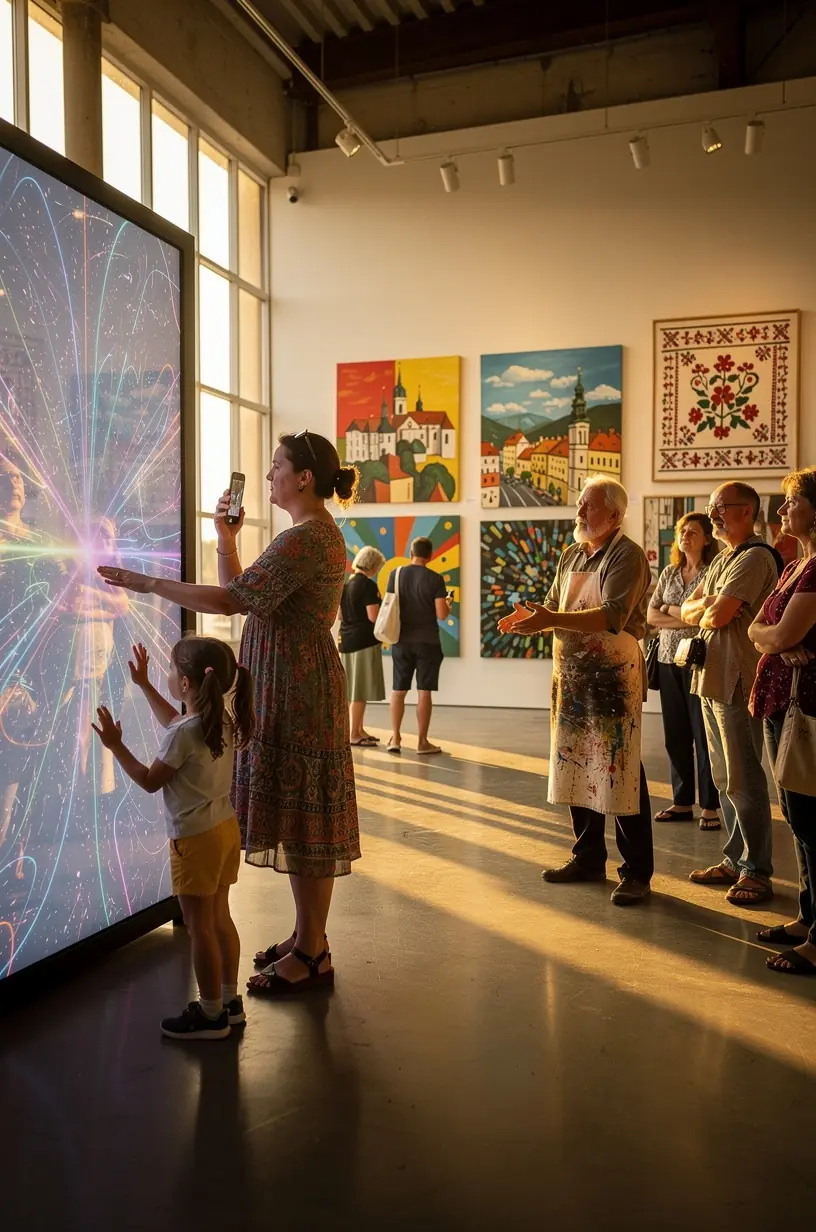
Creative workshops are designed to promote artistic expression and collaboration among participants. According to research, environments that encourage creativity often lead to increased satisfaction and community engagement. Experts recommend creating inclusive spaces where individuals feel safe to express themselves, which can help stimulate innovative ideas and projects.
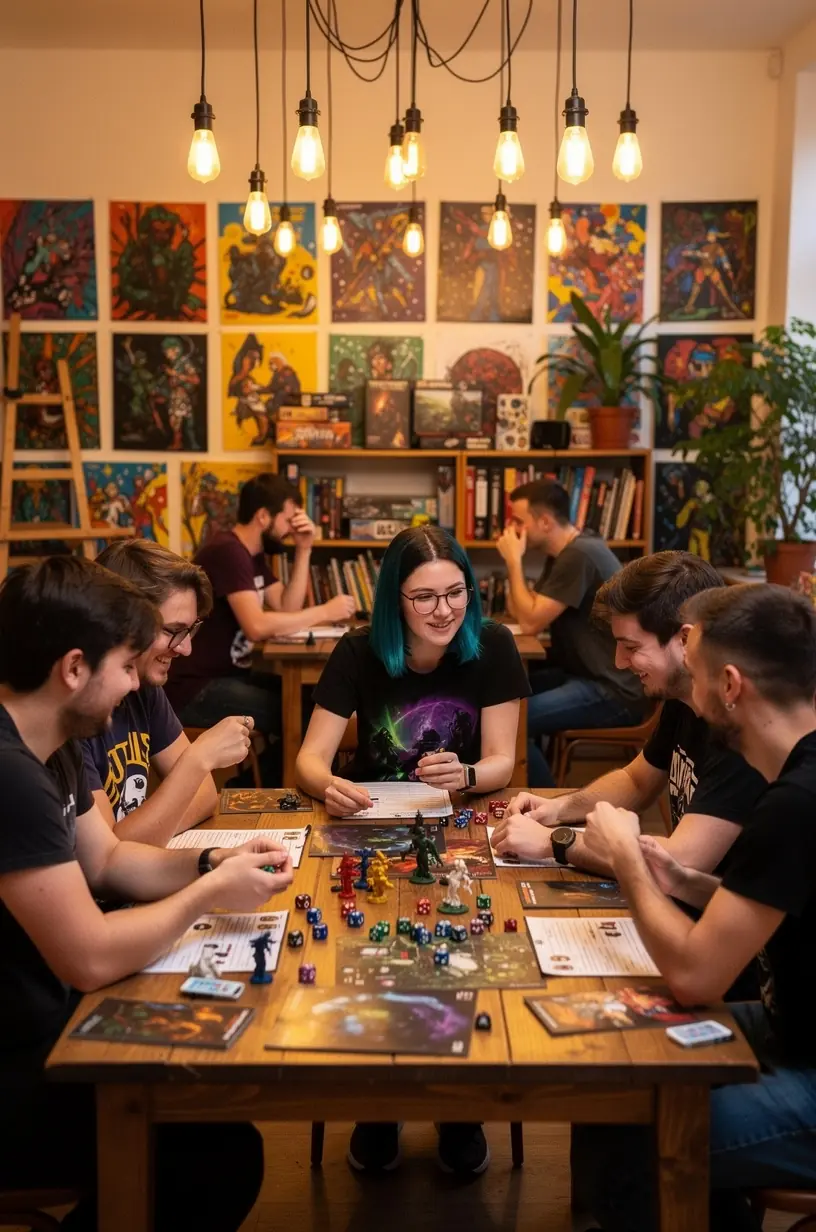
"A collaborative atmosphere not only enhances creativity but also builds stronger community ties." - Community Development Expert
Key Elements of Successful Workshops
Facilitating an engaging workshop involves several key components:
- Clear Objectives: Define what participants should achieve by the end of the workshop. This clarity can guide the facilitation process and keep participants motivated.
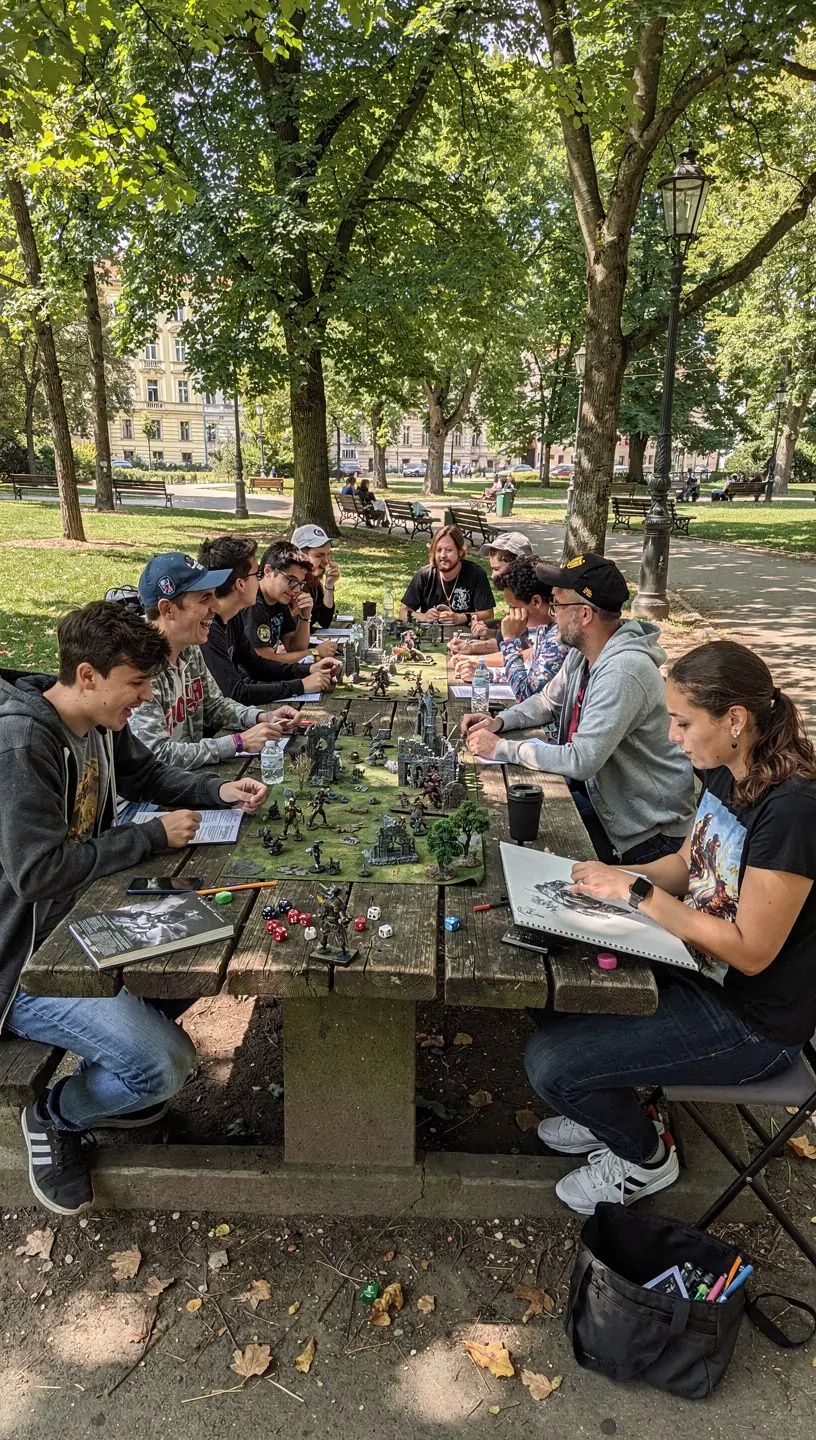
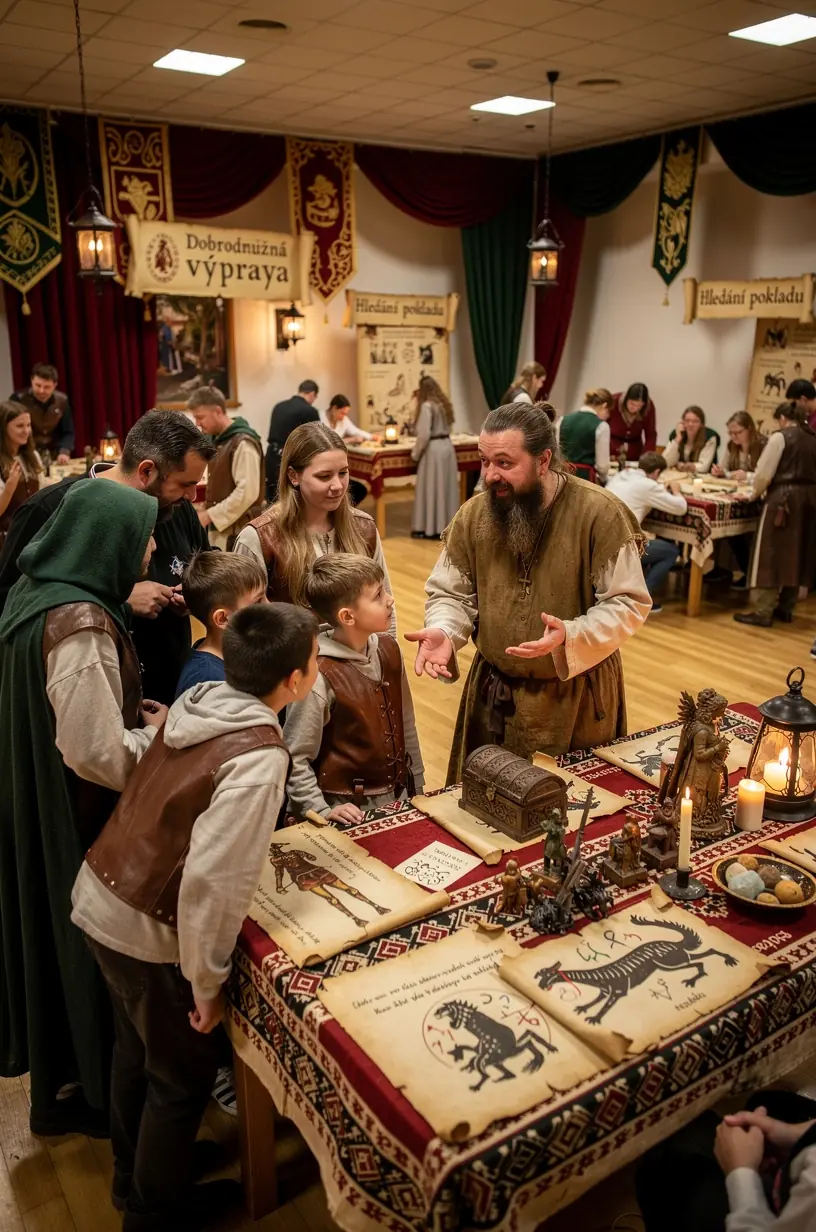
- Interactive Activities: Incorporate a variety of activities that cater to different skill levels and interests. This can involve hands-on art projects, tabletop games, or role-playing scenarios.
- Feedback Mechanism: Establish a system for participants to provide feedback on their experience. This can guide future workshops and ensure continuous improvement.
Creating an Inclusive Environment
For workshops to be effective, they must accommodate diverse participants. This requires considering different backgrounds, abilities, and interests. It’s essential to:
- Promote a culture of respect and open-mindedness, ensuring everyone feels valued.
- Adapt activities to different skill levels, so that everyone can participate meaningfully.
- Provide necessary materials and accommodations for those who may need them, which can enhance participation.
Time Commitment and Preparation
Organizing creative workshops typically requires a significant time commitment. Preparation can take anywhere from a few days to several weeks, depending on the complexity of the activities planned. It’s advisable to:
- Set aside time for planning logistics, including materials and space setup.
- Consider a trial run of activities to address any potential challenges.
- Engage with local artists or facilitators who can bring expertise to the workshop, which may enrich the experience for participants.
Conclusion
Facilitating creative workshops in shared spaces can significantly enhance community engagement. By focusing on clarity of objectives, interactive activities, and inclusivity, organizers can create meaningful experiences that resonate with participants. Remember, while the effort involved is substantial, the rewards in terms of community building and creative expression can be profound. Always aim to foster an environment where creativity thrives, as this can lead to a more connected and vibrant community.