How to Promote Inclusivity in Creative Spaces
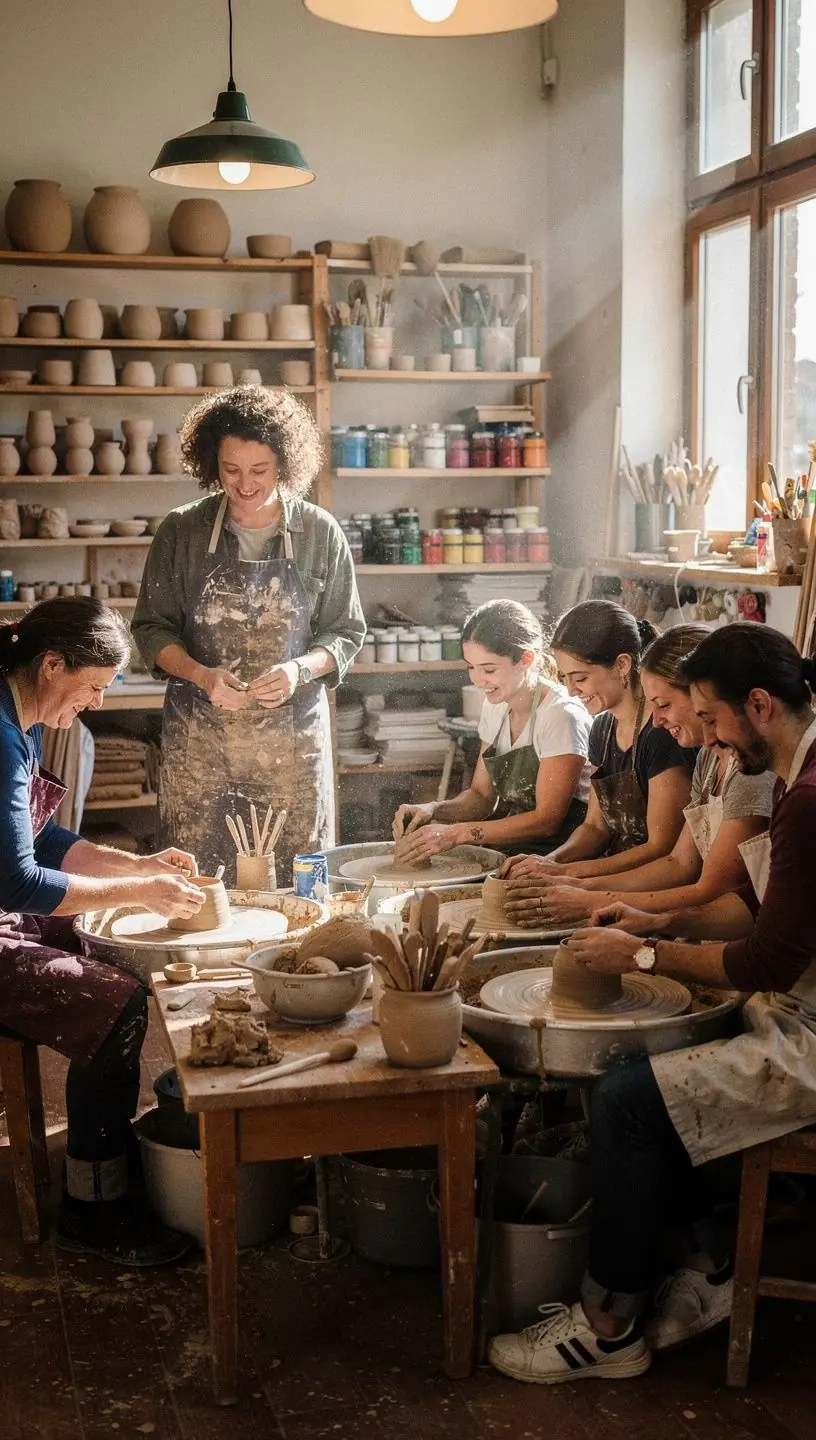
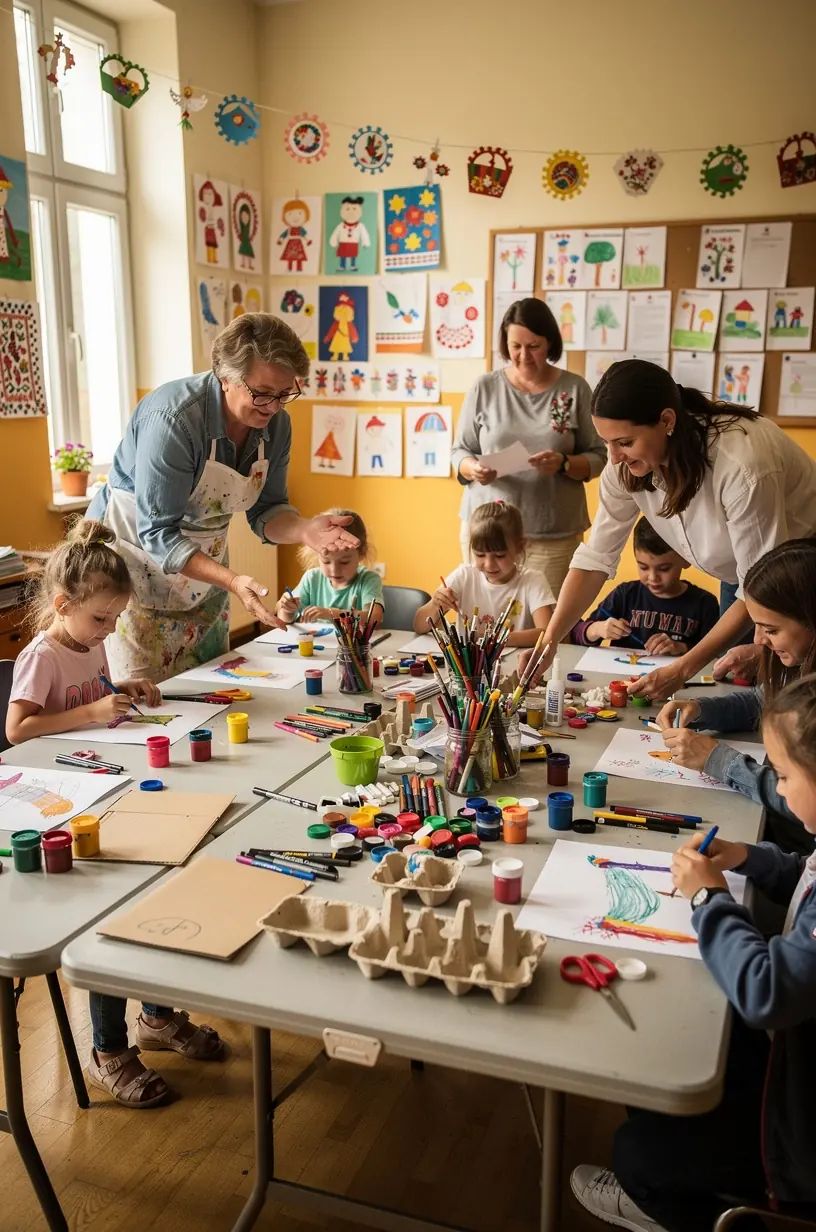
Creating an inclusive environment in community creative spaces is essential for fostering creativity, collaboration, and a sense of belonging among diverse participants. This article presents actionable strategies that can help facilitate inclusivity in art displays, tabletop gaming sessions, and interactive quest events.
Understanding the Importance of Inclusivity
Inclusivity refers to the practice of ensuring that all individuals feel welcomed and valued within a community. According to research conducted by the American Psychological Association, inclusive environments can significantly enhance group creativity and productivity. In creative spaces, this means embracing diverse backgrounds, perspectives, and ideas.
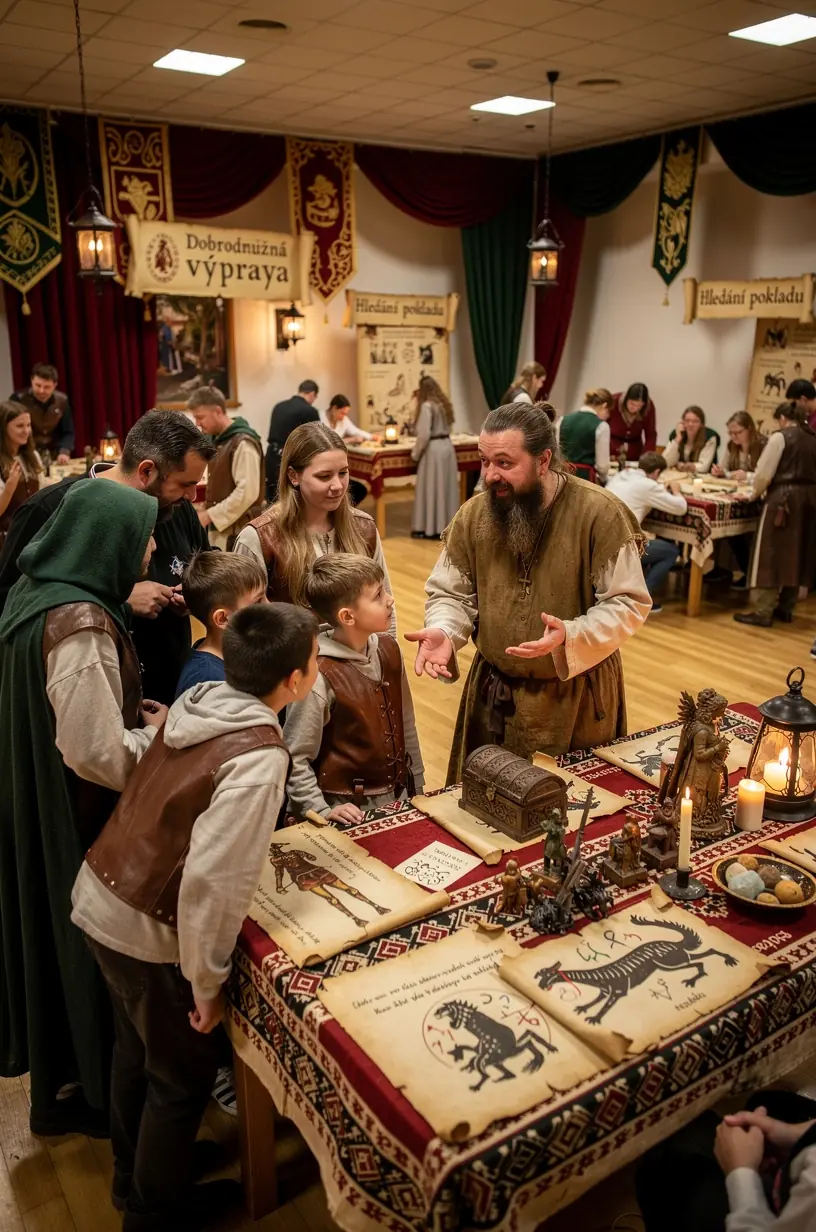
"Cultivating an inclusive atmosphere allows for broader creative expression and innovation, essential for thriving community spaces."
Practical Strategies for Fostering Inclusivity
- Encourage Diverse Participation: Actively reach out to underrepresented groups in your community. Many users report that targeted outreach efforts, such as workshops in local schools or community centers, can increase participation by about 30% over time.
- Create Inclusive Programming: Tailor your events to cater to a variety of interests and skill levels. Offering different formats, such as beginner workshops alongside advanced sessions, can help accommodate diverse participants. Studies show that varied programming can enhance engagement and satisfaction.
- Promote Accessibility: Ensure that your creative space is physically accessible and free of barriers for individuals with disabilities. This includes providing wheelchair access and resources for those with sensory sensitivities. Experts recommend conducting an accessibility audit to identify areas for improvement.
Building a Supportive Community Culture
Establishing norms of respect and understanding is crucial for inclusivity. Here are some methods to consider:
- Implement Community Guidelines: Create clear guidelines for behavior that promote respect and openness. In most cases, having a written policy helps set expectations and encourages accountability.
- Facilitate Open Discussions: Allow space for participants to voice their thoughts and experiences. This can foster a sense of belonging and help individuals feel valued. Regular feedback sessions can also guide improvements in your events.
- Train Staff and Volunteers: Provide training on inclusivity practices for all staff and volunteers. This typically involves workshops focusing on unconscious bias, cultural competence, and communication skills.
Measuring the Impact of Your Efforts
Tracking the success of your inclusivity initiatives is essential. Collect feedback through surveys or informal discussions after events to gauge participant satisfaction and sense of belonging. Research indicates that inclusive environments can lead to improved retention rates of participants, often by as much as 15-25%.
Conclusion
Promoting inclusivity in community creative spaces is not only beneficial for participants but also enhances the overall creative output of the community. By implementing actionable strategies such as fostering diverse participation, creating inclusive programming, and building a supportive culture, you can help make your creative space a welcoming environment for everyone. Remember, the journey toward inclusivity requires ongoing effort, reflection, and adaptation to meet the needs of your community.
Learn More