Exploring the Role of Community Art Spaces
Community art spaces play an essential role in fostering creativity, collaboration, and cultural exchange. This article delves into their significance, how they operate, and the benefits they offer to individuals and communities alike.
Understanding the Basics of Community Art Spaces
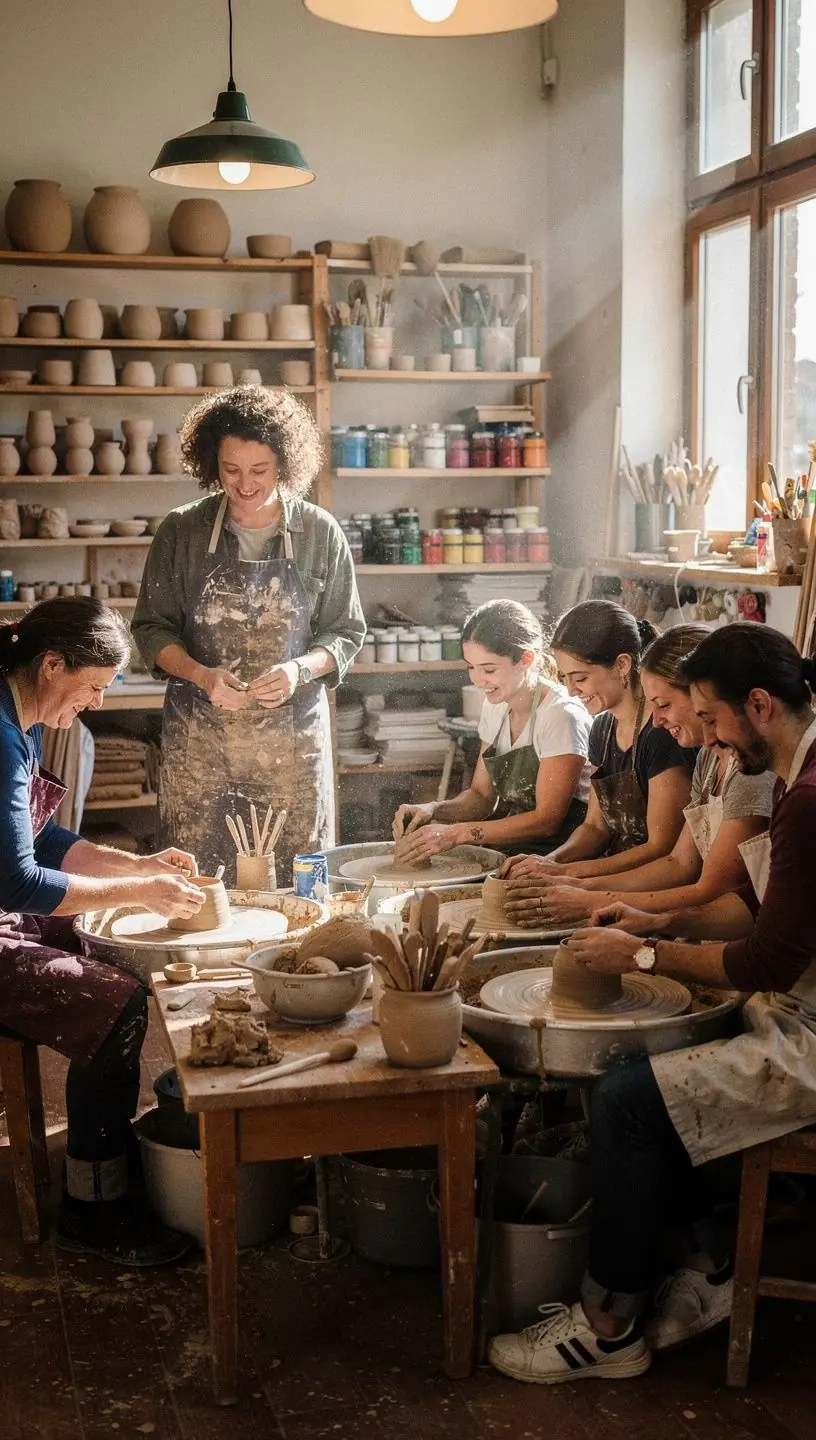
Community art spaces are typically defined as environments where individuals gather to engage in various artistic activities. These spaces often include studios, galleries, performance areas, and meeting rooms. According to research conducted by the National Endowment for the Arts, these venues can significantly enhance community engagement and creativity.
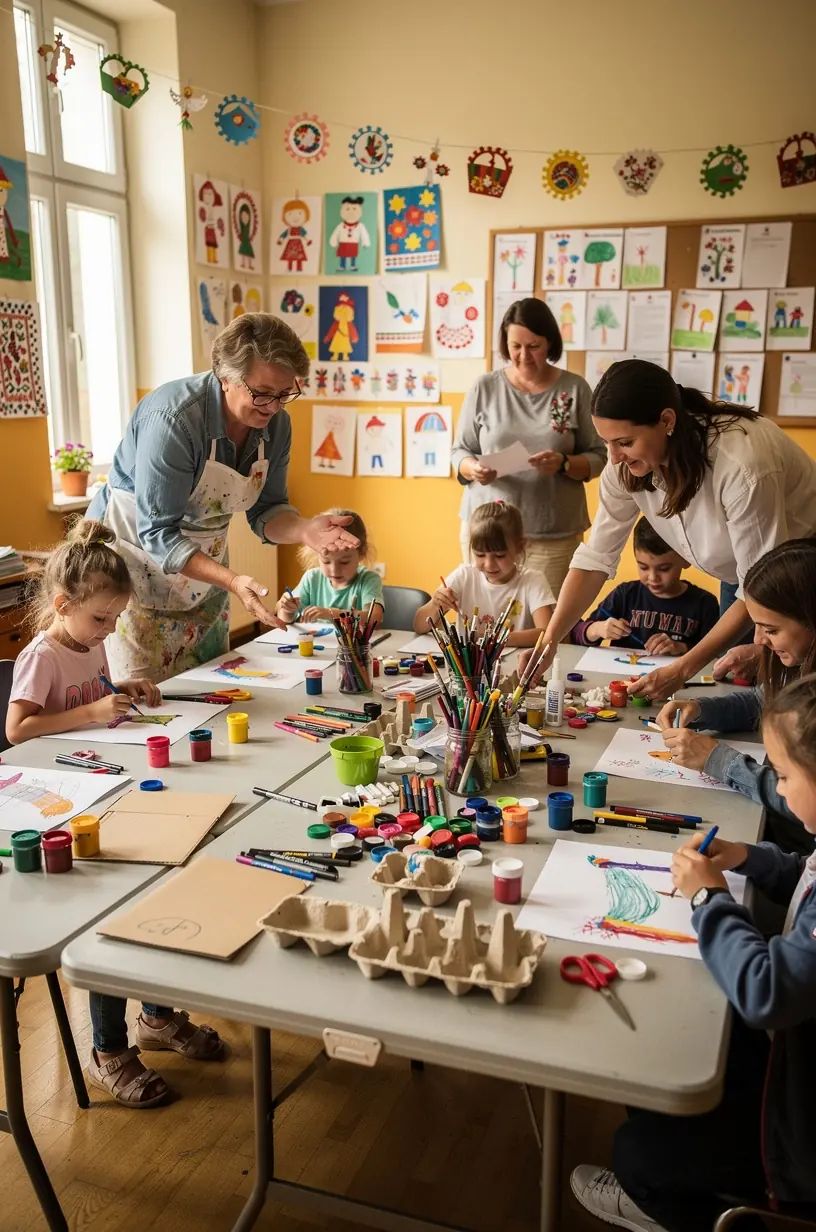
"Community art spaces contribute to social cohesion and provide platforms for diverse voices, fostering inclusivity and collaboration." - Arts Council England
The Functionality of Community Art Spaces
Art spaces usually facilitate a variety of programs such as:
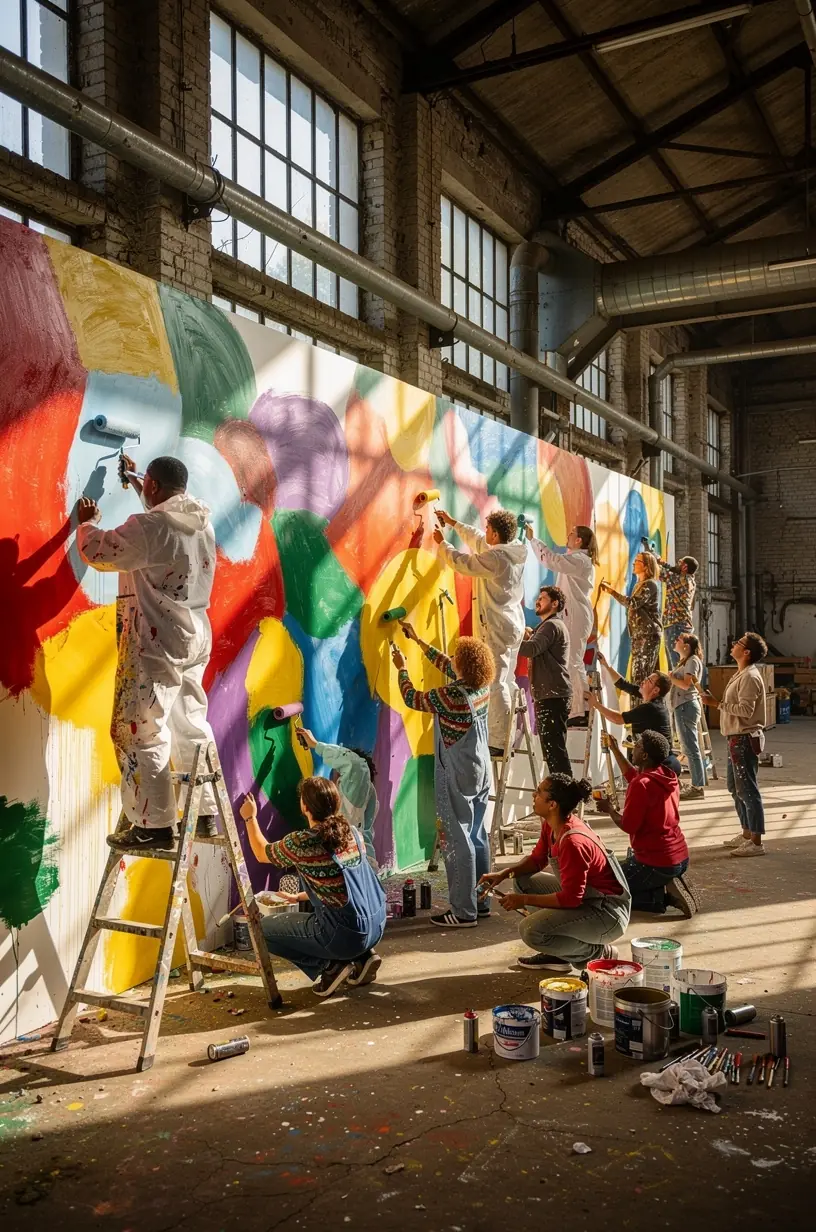
- Art Displays: Showcasing local artists' works helps promote their talents and increases visibility.
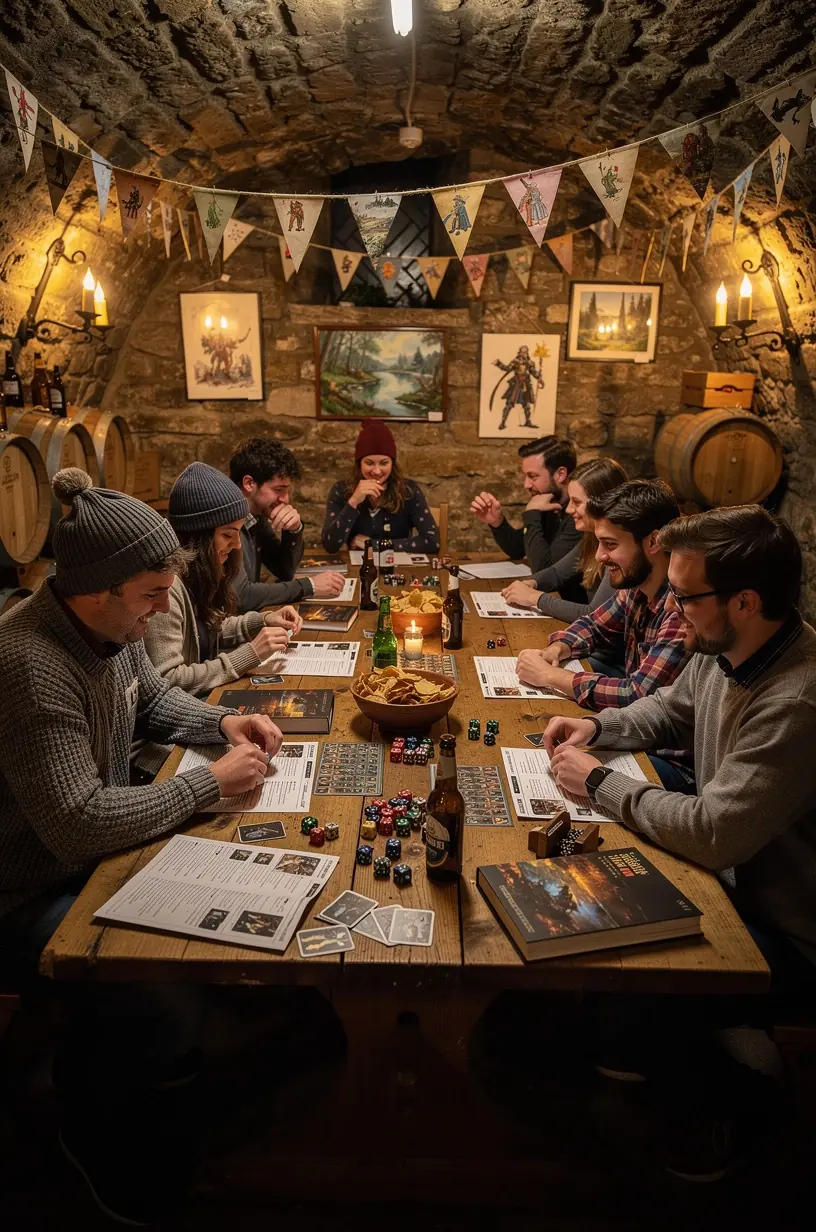
- Tabletop Gaming Sessions: These gatherings encourage social interaction and can enhance critical thinking and teamwork skills.
- Interactive Quest Events: Engaging activities that combine art and gaming often attract a wide audience, fostering a sense of community.
Benefits of Community Art Spaces
Experts recommend engaging with community art spaces as they can have several positive outcomes:
- Fostering Creativity: Regular participation in artistic activities can help individuals express themselves and enhance their creative skills.
- Building Social Connections: Art spaces often serve as hubs for social interaction, allowing individuals to meet like-minded people. Many users report increased feelings of belonging and community.
- Encouraging Cultural Exchange: These spaces typically host diverse programs that expose participants to different cultures and art forms, enriching the community's cultural landscape.
Setting Realistic Expectations
While community art spaces offer numerous benefits, it's important to acknowledge the limitations and commitments involved:
- Engaging in these spaces often requires a time commitment—attending weekly events and participating in planning can typically take 2-4 hours per week.
- Participants may face a learning curve, especially in creative disciplines that require practice and dedication.
- While many community art spaces are free or low-cost, some specialized workshops may charge fees, which can vary significantly.
Conclusion
Community art spaces serve as vital resources for fostering creativity, building social connections, and encouraging cultural exchange. By understanding their role and the benefits they offer, individuals can make informed decisions about how to engage with these spaces. Remember, while they provide valuable opportunities, they also require time and commitment for the best experiences. Engaging with your local art community can be rewarding and enriching, contributing positively to both personal growth and community development.
Learn More