Building Community Through Collaborative Art Projects
Collaborative art projects have become a powerful means of fostering community, especially in creative spaces. By engaging participants in meaningful activities, these projects can strengthen social bonds and enhance the local culture.
Understanding the Importance of Collaboration
Collaboration in art often leads to a richer creative process. According to research published in the Journal of Community Arts, collaborative projects can boost creativity and participation by 30-50% compared to solitary endeavors. This is primarily because working together allows for the sharing of diverse perspectives and skills.
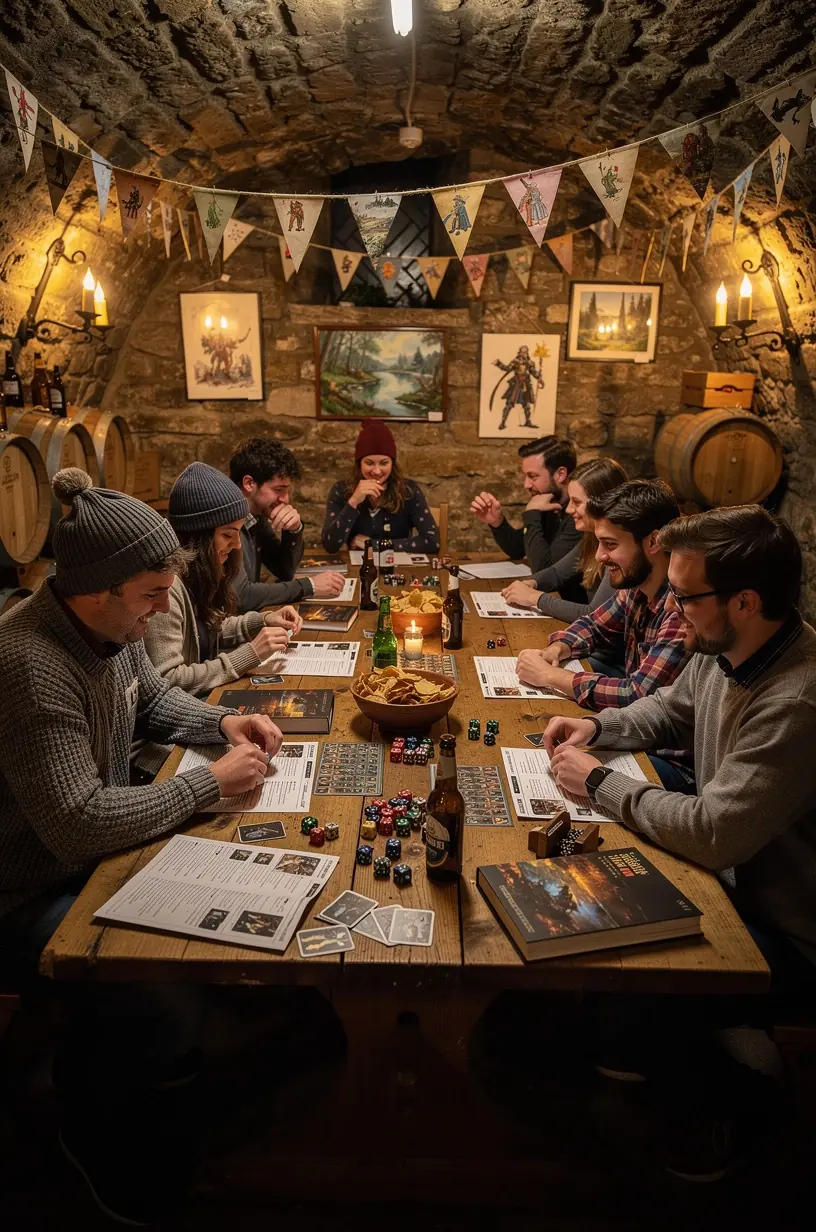
"Building relationships through art can lead to strengthened community ties and increased civic engagement."
Creating Collaborative Art Projects
Implementing a collaborative art project typically involves several key steps:
- Define the Vision: Start by outlining the goals and themes of the project. What message do you want to convey? This works best when the vision resonates with community interests.
- Recruit Participants: Invite individuals from various backgrounds. Many users report that diverse teams foster more innovative outcomes and increase engagement.
- Establish a Framework: Create a structure for how the collaboration will unfold. This may involve setting deadlines, defining roles, and ensuring everyone’s voice is heard. According to experts, clear guidelines can lead to smoother processes and better results.
- Document the Process: Keeping track of the progress not only enhances transparency but also encourages participants to reflect on their contributions.
Challenges and Considerations
While collaborative art projects can be rewarding, they are not without challenges. It's important to acknowledge the following:
- Time Commitment: These projects typically require a significant time investment, often spanning several weeks or months, depending on the scope.
- Conflict Resolution: Differences in opinion can arise. Establishing a process for constructive feedback is essential for maintaining a positive collaborative atmosphere.
- Skill Levels: Participants may possess varied skill sets. It is important to ensure that everyone feels valued, which may involve offering training or guidance for those less experienced.
Conclusion
Collaborative art projects are an effective way to enhance community engagement and foster creativity. By bringing individuals together, these initiatives not only enrich the local culture but also build lasting connections among participants. While challenges such as time commitment and conflict resolution exist, with careful planning and a clear vision, the benefits can be substantial. Engaging in collaborative art can be a rewarding experience, contributing to personal growth and community vitality.