Understanding Interactive Quest Event Design
Interactive quest events have become a popular way to engage communities in creative activities. By combining storytelling, game mechanics, and social interaction, these events can foster collaboration and creativity. This article examines effective design principles and considerations for organizing successful interactive quest events.
Understanding the Basics
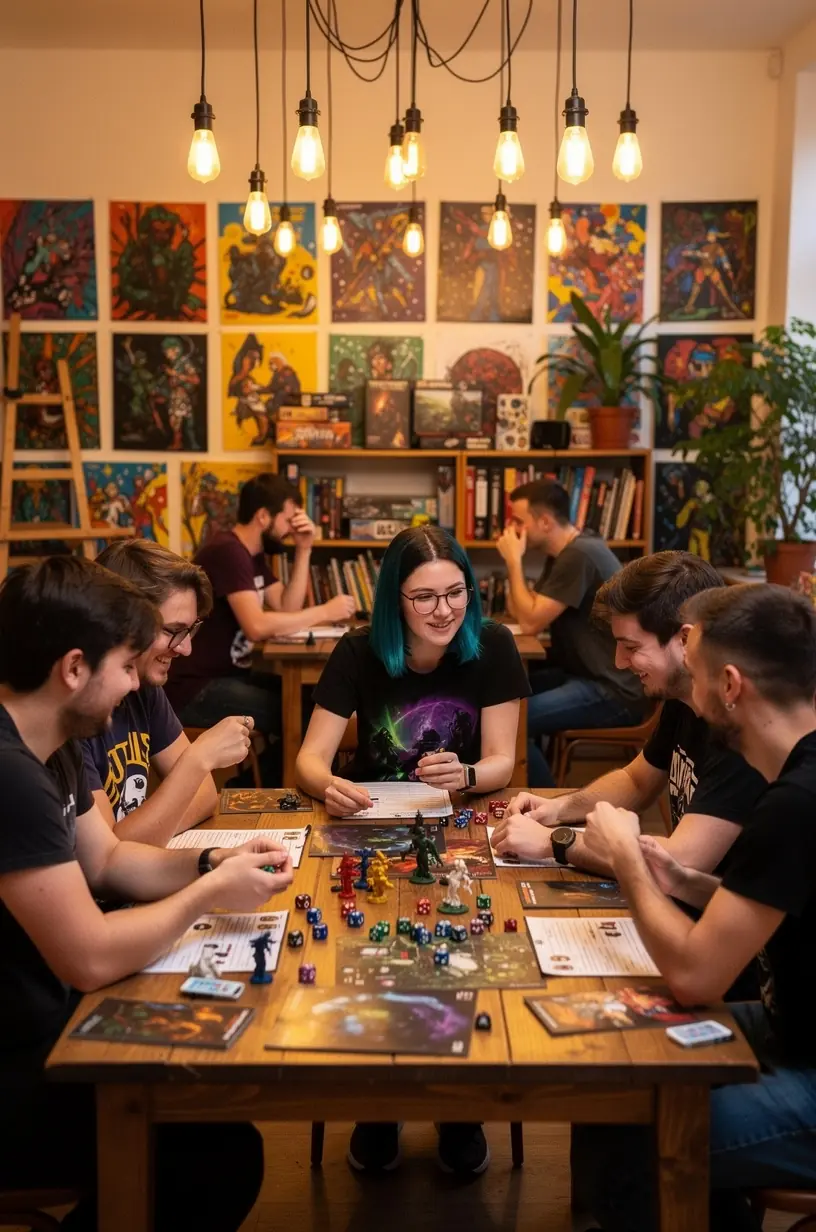
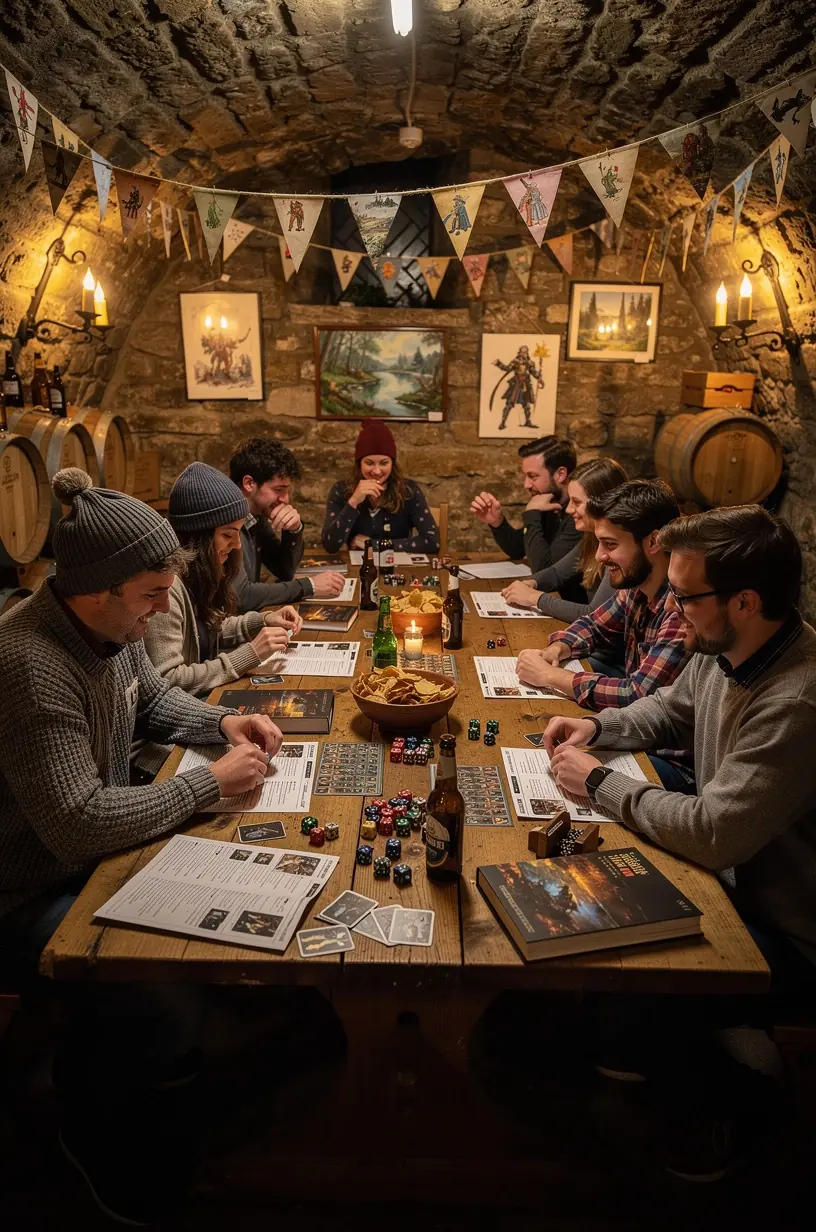
Interactive quest events typically involve participants working together to solve puzzles or complete challenges within a structured narrative. According to research conducted by game design experts, these activities can enhance community engagement by providing immersive experiences that encourage collaboration and critical thinking.

The principle behind this engagement is rooted in the concept of experiential learning, which suggests that individuals retain information better when they are actively involved in the learning process. This approach is particularly effective in community-focused settings, as it promotes social interaction and teamwork.
"Experiential learning fosters deeper connections and understanding among participants, making it a valuable strategy for community events." - Game Design Expert
Essential Elements of Event Design
When designing an interactive quest event, there are several key components to consider:
- Theme and Storyline: A compelling narrative can significantly enhance participant engagement. Many successful quest events incorporate themes that resonate with local culture or current interests.
- Challenge Design: Tasks should be designed to encourage collaboration. Experts recommend including a mix of problem-solving activities and physical challenges to cater to diverse participant skills.
- Duration and Format: The event's length can influence attendance and participant engagement. A typical interactive quest event may last between 2 to 4 hours, which is suitable for maintaining energy and interest without causing fatigue.
Practical Application
To effectively implement an interactive quest event, consider the following steps:
- Define Objectives: What goals do you want to achieve? Engaging the community, promoting local artists, or simply having fun can drive your event's design.
- Gather Feedback: Before launching the event, it’s beneficial to conduct a pilot test with a small group. This can help identify areas for improvement and ensure that the challenges are appropriately balanced.
- Promotion: Effective marketing strategies, such as social media outreach or community partnerships, can enhance participation. Research indicates that community-driven promotions often yield higher engagement rates.
Acknowledging Limitations
While interactive quest events can be highly engaging, they also come with challenges. Organizing these events typically requires a significant time commitment, and event planners should anticipate anywhere from 2 to 4 weeks for preparation, depending on the complexity.
Additionally, it’s important to acknowledge that these events may not be suitable for all audiences. For example, individuals with mobility challenges may require tailored activities to ensure inclusivity.
Conclusion
Designing interactive quest events can be a rewarding experience that fosters community bonds and encourages creativity. By understanding the essential elements and taking a measured approach to planning, organizers can create engaging events that leave lasting impressions. Remember, successful events are those that prioritize participant experience and adapt to the community’s needs.
Learn More